পণ্য পরিচিতি
আধুনিক প্যাকেজিং লাইনগুলির জন্য শক্তিশালী বেস উপকরণ প্রয়োজন যা সম্পূর্ণ নিয়ন্ত্রণের অখণ্ডতা, যান্ত্রিক শক্তি এবং রাসায়নিক অবক্ষয়ের প্রতিরোধ প্রদান করে। আমাদের টিনপ্লেট কয়েল বিশেষভাবে এই অপারেশনাল চাহিদা মেটাতে তৈরি করা হয়, যা লুব্রিকেন্ট, মোটর তেল, শিল্প গ্রীস, বাণিজ্যিক পেইন্ট এবং রাসায়নিক পলিশের জন্য ব্যবহৃত কন্টেইনার তৈরির জন্য মৌলিক স্তর হিসেবে কাজ করে। একটি সুনির্দিষ্ট অবিচ্ছিন্ন ইলেক্ট্রোলাইটিক জমা প্রক্রিয়ার মাধ্যমে উত্পাদিত, নিম্ন-কার্বন ইস্পাতটি মিহি ধাতব টিনের একটি প্রতিরক্ষামূলক স্তরের সাথে অভিন্নভাবে আবদ্ধ। এই ইঞ্জিনিয়ারিং কনফিগারেশনটি একটি বহু-স্তরযুক্ত বাধা ব্যবস্থা তৈরি করে যা টিনের রাসায়নিক জড়তার সাথে ইস্পাতের কাঠামোগত দৃঢ়তাকে একত্রিত করে।
শিল্প তরল ধারণের জন্য অত্যন্ত অপ্টিমাইজ করা হলেও, এই বহুমুখী ধাতব স্তরটি কঠোর ধাতব বিশুদ্ধতার মান অনুসরণ করে, এটিকে নিরাপদ খাদ্য হিসাবে অত্যন্ত কার্যকর করে তোলে কারণ এটি শুকনো পণ্য, ভোজ্য তেল এবং সাধারণ খাদ্য সংরক্ষণের জন্য উপাদান হতে পারে। সম্পূর্ণ সমতল পৃষ্ঠ প্রোফাইল তৈরি করতে উপাদানটি উন্নত উত্তেজনা-সমতলকরণ এবং রাসায়নিক প্যাসিভেশন চিকিত্সার মধ্য দিয়ে যায়। এই চিকিত্সাটি গভীর অঙ্কন, ক্যান-বডি শেপিং এবং উচ্চ-গতির যান্ত্রিক স্ট্যাম্পিং অপারেশনের সময় কাঠামোগত ফ্র্যাকচার, ফ্ল্যাকিং বা আবরণ ডিলামিনেশনের ঝুঁকি দূর করে। এটি কনটেইনার নির্মাতাদের মসৃণ উত্পাদন লাইন বজায় রাখতে, উপাদানের স্ক্র্যাপের হার কমাতে এবং দূর-দূরত্বের সামুদ্রিক পরিবহন জুড়ে লিক-প্রুফ স্টোরেজ গ্যারান্টিতে সহায়তা করে।
উপাদান বৈশিষ্ট্য এবং প্রতিরক্ষামূলক বৈশিষ্ট্য
আমাদের টিনপ্লেট কয়েল পণ্য লাইনের উন্নত কর্মক্ষমতা লক্ষ্যযুক্ত ধাতব নকশা এবং সুনির্দিষ্ট পৃষ্ঠের রসায়নের মাধ্যমে অর্জন করা হয়:
-
চমৎকার রাসায়নিক জড়তা: ঘন ধাতব টিনের স্তরটি একটি নির্ভরযোগ্য প্রতিরক্ষামূলক বাধা তৈরি করে যা শিল্প তরল, হাইড্রোকার্বন দ্রাবক, তেল এবং অম্লীয় উপাদানগুলিকে কাঁচা ইস্পাত কোরের সাথে ইন্টারঅ্যাক্ট করতে বাধা দেয়, অভ্যন্তরীণ পিনহোল ক্ষয় রোধ করে।
-
উন্নত বায়ুমণ্ডলীয় মরিচা প্রতিরোধ: আমাদের কয়েলগুলিতে একটি লোহা-টিন অ্যালয় ম্যাট্রিক্স, একটি বিনামূল্যে টিনের স্তর এবং একটি অজৈব ক্রোমিয়াম প্যাসিভেশন ফিল্ম সহ বহু-পর্যায়ের পৃষ্ঠের চিকিত্সা রয়েছে। এই যৌগিক ঢালটি আর্দ্রতা এবং অক্সিজেনকে অবরুদ্ধ করে, এমনকি যখন পাত্রগুলি অত্যন্ত আর্দ্র পরিবেশে সংরক্ষণ করা হয় তখনও মরিচা প্রতিরোধ করে।
-
অসামান্য যান্ত্রিক নমনীয়তা: অত্যন্ত নিয়ন্ত্রিত শস্যের সারিবদ্ধতার সাথে প্রকৌশলী, এই ইস্পাতটি গুরুতর শারীরিক গঠন পরিচালনা করে — যেমন তীক্ষ্ণ যান্ত্রিক বাঁকানো, ট্রিপল-সিমিং, অ্যারোসোল শঙ্কু স্ট্যাম্পিং, এবং শরীরের প্রসারণ — মাইক্রো-ক্র্যাকিং ছাড়াই।
-
উচ্চ-আনুগত্য সারফেস ফিনিশ: পৃষ্ঠের কাঠামোটি প্রতিরক্ষামূলক জৈব বার্ণিশ (যেমন ইপোক্সি-ফেনোলিক রেজিন) এবং উচ্চ-গতির লিথোগ্রাফিক প্রিন্টিং কালি দিয়ে সর্বাধিক আনুগত্য নিশ্চিত করার জন্য অপ্টিমাইজ করা হয়েছে, কন্টেইনার সমাবেশের সময় পিলিং বা স্ক্র্যাচিং প্রতিরোধ করে।
প্রযুক্তিগত স্পেসিফিকেশন ম্যাট্রিক্স
| ধাতব পরামিতি |
অপারেশনাল স্পেসিফিকেশন এবং পরিসীমা উপলব্ধতা |
| উপাদান বেস টাইপ |
ইলেক্ট্রোলাইটিক টিনপ্লেট (SPTE) / টিন ফ্রি স্টিল (TFS) |
| মূল কাঠামোগত বিন্যাস |
ক্রমাগত আনস্লিট কয়েল / স্লিট স্ট্রিপ কয়েল |
| বেধ মাত্রা |
0.15 মিমি - 0.45 মিমি |
| কয়েল প্রস্থ ক্ষমতা |
600 মিমি - 1050 মিমি |
| অভ্যন্তরীণ কুণ্ডলী ব্যাস |
508 মিমি / 610 মিমি |
| টিনের আবরণ ভর (g/m²) |
1.1/1.1, 2.2/2.2, 2.8/2.8, 5.6/5.6, 2.8/5.6 |
| সারফেস ফিনিশ প্রোফাইল |
ব্রাইট ফিনিশ, স্টোন ফিনিশ, সিলভার ফিনিশ, ম্যাট ফিনিশ |
| কঠোরতা এবং টেম্পার ক্লাস |
T1, T2, T3, T4, T5, DR8, DR9, DR10 |
| উত্পাদন মান |
ASTM A623, EN 10202, JIS G3303 |

গভীর কাস্টমাইজেশন এবং স্লিটিং ক্ষমতা
প্রতিটি কনটেইনার উত্পাদন সুবিধা অনন্য টুলিং সেটআপ, স্ট্যাম্পিং গতি এবং নির্দিষ্ট রাসায়নিক চাহিদাগুলির সাথে কাজ করে। এই বৈচিত্রপূর্ণ ক্রিয়াকলাপগুলিকে সমর্থন করার জন্য, আমরা ব্যাপক উপাদান কাস্টমাইজেশন পরিষেবা সরবরাহ করি। ক্রেতারা উপাদানের যান্ত্রিক মেজাজ সামঞ্জস্য করতে পারেন, সঠিক বেধের প্রোফাইলগুলি নির্দিষ্ট করতে পারেন, এবং তাদের সঠিক পণ্যের প্রয়োজনীয়তা মেলানোর জন্য উপযোগী আবরণ নির্বাচন করতে পারেন। আমাদের আধুনিক ধাতব প্রক্রিয়াকরণ সুবিধাগুলি হেভি-ডিউটি রোটারি স্লিটার এবং টেনশন-লেভেলিং লাইন দিয়ে সজ্জিত, যা আমাদেরকে বৃহৎ একটানা কয়েল সরবরাহ করতে দেয় (3 থেকে 10 মেট্রিক টন পর্যন্ত) বা আপনার সঠিক প্রস্থের স্পেসিফিকেশনে কাটা সুনির্দিষ্ট, সরু স্ট্রিপ।
বিশেষ স্টোরেজ অ্যাপ্লিকেশনের জন্য, আমরা ডিফারেনশিয়াল টিনের আবরণ সরবরাহ করি, যা আপনাকে ক্ষয়কারী বিষয়বস্তু প্রতিরোধ করার জন্য ভিতরের দিকে একটি ভারী টিনের আমানত এবং পরিবেষ্টিত আর্দ্রতা সুরক্ষার জন্য বাইরের অংশে একটি হালকা, আরও অর্থনৈতিক আবরণ চয়ন করতে দেয়। আমরা স্পেশালাইজড সারফেস ফিনিশিংও অফার করি, যা স্বয়ংক্রিয়ভাবে হ্যান্ডলিং করার সময় স্ক্র্যাচ লুকিয়ে রাখে এমন টেক্সচার্ড স্টোন প্যাটার্ন পর্যন্ত উজ্জ্বল খুচরো লিথোগ্রাফির জন্য উচ্চ-চকচকে পৃষ্ঠ থেকে। আমাদের প্রযুক্তিগত দল আপনার প্রকৌশলীদের সাথে আদর্শ উপাদান মেজাজ নির্বাচন করতে, টুল পরিধান কমিয়ে এবং উত্পাদন আউটপুট সর্বাধিক করার জন্য সরাসরি কাজ করে।
প্রায়শই জিজ্ঞাসিত প্রশ্ন (FAQ)
প্রশ্ন 1: কেন তেল এবং পেইন্ট প্যাকেজিংয়ের জন্য স্ট্যান্ডার্ড কোল্ড-রোল্ড স্টিলের চেয়ে একটি ইলেক্ট্রোলাইটিক টিনপ্লেট কয়েল পছন্দ করা হয়? A1: স্ট্যান্ডার্ড কোল্ড-রোল্ড ইস্পাত আর্দ্রতা, অক্সিজেন এবং রাসায়নিক মিথস্ক্রিয়াগুলির জন্য অত্যন্ত ঝুঁকিপূর্ণ, যা দ্রুত মরিচা গঠন এবং পণ্য দূষণের দিকে নিয়ে যেতে পারে। আমাদের টিনপ্লেট কয়েলে একটি প্রতিরক্ষামূলক টিনের স্তর এবং একটি প্যাসিভেটেড ফিনিশ রয়েছে যা ইস্পাত কোরকে বিচ্ছিন্ন করে। এই নকশাটি পেইন্ট দ্রাবক বা তেলের সাথে রাসায়নিক বিক্রিয়া প্রতিরোধ করে, পাত্র এবং এর বিষয়বস্তু উভয়ই অক্ষত রাখে।
প্রশ্ন 2: আপনার শিল্প-গ্রেড টিনপ্লেট কুণ্ডলী নিরাপদে খাদ্য উপাদান হিসাবে কাজ করতে পারে? A2: হ্যাঁ, এটা করতে পারে। আমাদের উত্পাদন লাইন উচ্চ-বিশুদ্ধ ধাতব টিন ব্যবহার করে এবং কঠোর ধাতুবিদ্যার মানগুলি মেনে চলে যা বিশ্বব্যাপী খাদ্য-নিরাপদ প্যাকেজিং প্রয়োজনীয়তা পূরণ করে। এই অ-বিষাক্ত পৃষ্ঠটি ধাতব স্থানান্তরকে বাধা দেয়, উপাদানটিকে খাদ্যের পাত্র, তেলের টিন এবং শুকনো উপাদানের ক্যানিস্টারের জন্য সম্পূর্ণরূপে উপযুক্ত করে তোলে।
প্রশ্ন 3: কয়েলে ডিফারেনশিয়াল টিনের আবরণ ব্যবহার করার প্রধান সুবিধাগুলি কী কী? A3: ডিফারেনশিয়াল আবরণ স্টিলের সাবস্ট্রেটের উভয় পাশে টিনের দুটি ভিন্ন ওজন প্রয়োগ করে (যেমন একদিকে 2.8 g/m² এবং অন্য দিকে 5.6 g/m²)। এটি আপনাকে রাসায়নিক ফর্মুলেশন বা অ্যাসিডিক বিষয়বস্তু পরিচালনা করার জন্য পাত্রের ভিতরে ঘন স্তর স্থাপন করতে দেয়, যখন দক্ষ, সাশ্রয়ী বায়ুমণ্ডলীয় মরিচা সুরক্ষার জন্য বাইরে একটি হালকা স্তর ব্যবহার করে।
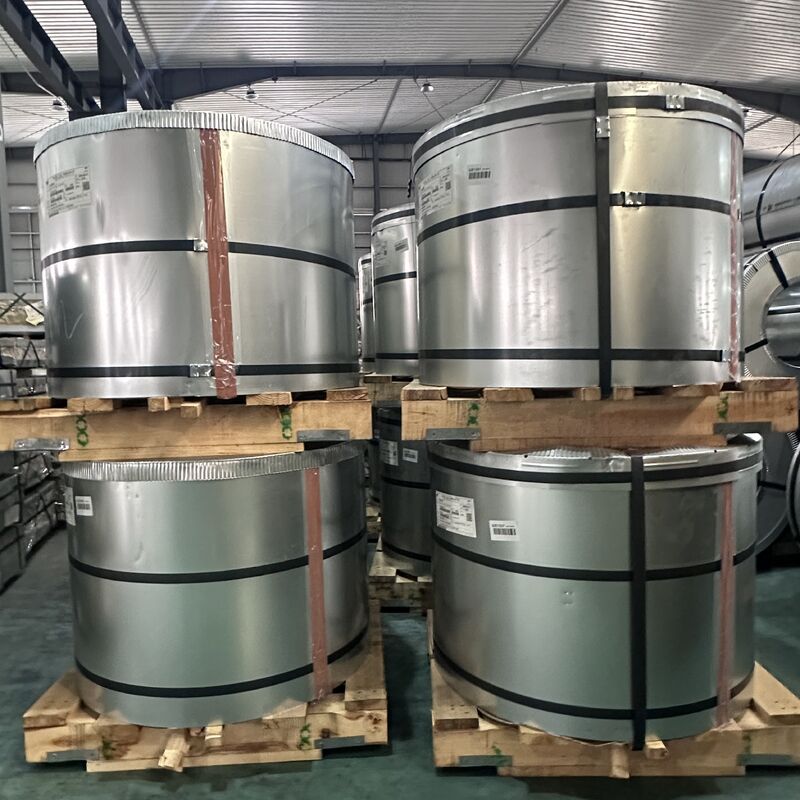
প্রশ্ন 4: সমুদ্র পরিবহনের সময় ইস্পাত কয়েলগুলি কীভাবে মরিচা এবং ক্ষতির বিরুদ্ধে সুরক্ষিত থাকে? A4: প্রতিটি কয়েল ভারী-শুল্ক বাষ্প-জারা-ইনহিবিটর (VCI) আর্দ্রতা বাধাগুলিতে শক্তভাবে মোড়ানো, একটি প্রতিরক্ষামূলক কাঠামোগত স্টিলের বাইরের আবরণ দিয়ে আবৃত এবং উচ্চ-টেনসিল ইস্পাত ব্যান্ড দিয়ে সুরক্ষিত। তারপরে তারা শুষ্ক এবং সম্পূর্ণরূপে মরিচা-মুক্ত পৌঁছেছে তা নিশ্চিত করার জন্য তাদের শক্তিশালী, রপ্তানি-প্রস্তুত কাঠের স্কিডগুলিতে (হয় চোখ-টু-আকাশ বা চোখের-থেকে-ওয়াল অভিযোজন) লক করা হয়।


 আপনার বার্তাটি 20-3,000 টির মধ্যে হতে হবে!